The Imperative

From reputation to regulation

Supply chain due diligence is transforming. The companies that meet the change will not have better paperwork — they will be designed, governed and operated differently.

A transforming environment

For twenty years, corporate supply chain responsibility ran on a reputational engine all built around protecting the reputation of the buyer. That engine is being replaced by regulatory requirements.

Guidelines are published, portals are live, tariffs are in force and detention orders are landing at ports. Enforcement is here at the border; the European due diligence duty follows in 2029.

What follows is a different design: chains that are seen, systems that listen, verdicts that are independent, and evidence that holds.

What the regulation now asks for

Transparency and reporting

Due diligence is the engine. Reporting is the dashboard — increasingly informing not only regulators and investors, but customers, B2B partners, stakeholders, tax authorities and more.

A regulatory obligation of means

Built on the UN Guiding Principles, the CSDDD and similar laws require risk-based due diligence built into corporate governance, policy, stakeholder engagement and grievance systems.

A regulatory obligation of results

Forced labour regimes ban products from the market — regardless of how good the paperwork looks or the results of your social compliance audit.

Forced labour is a crime, not just a trade violation.

Dozens of laws and regulations proliferating globally and variously interoperating in terms of

  • Definitions
  • Approaches
  • Due diligence
  • Data & traceability
  • Stakeholder engagement
  • Enforcement
  • Liability
  • Risk identification and assessment
  • Risk prioritisation
  • Reporting and disclosure
  • Verification, assurance and evidence
  • Market access
  • Conflict of laws
  • Disclosure and legal privilege

With evolving connective tissue

  • Regulatory Interoperability
  • Digital Connectivity
  • Collaborative Ecosystems
  • Impact
Connected global network

Four Megatrends

The forces shaping the imperative

Each trend changes what companies must know, prove and control across their value chains.

City lights seen from the air at night

Technological progression

AI, automation and traceability are collapsing the cost of knowing the chain.

Watch

Digital product passports · AI-assisted diligence · Satellite monitoring

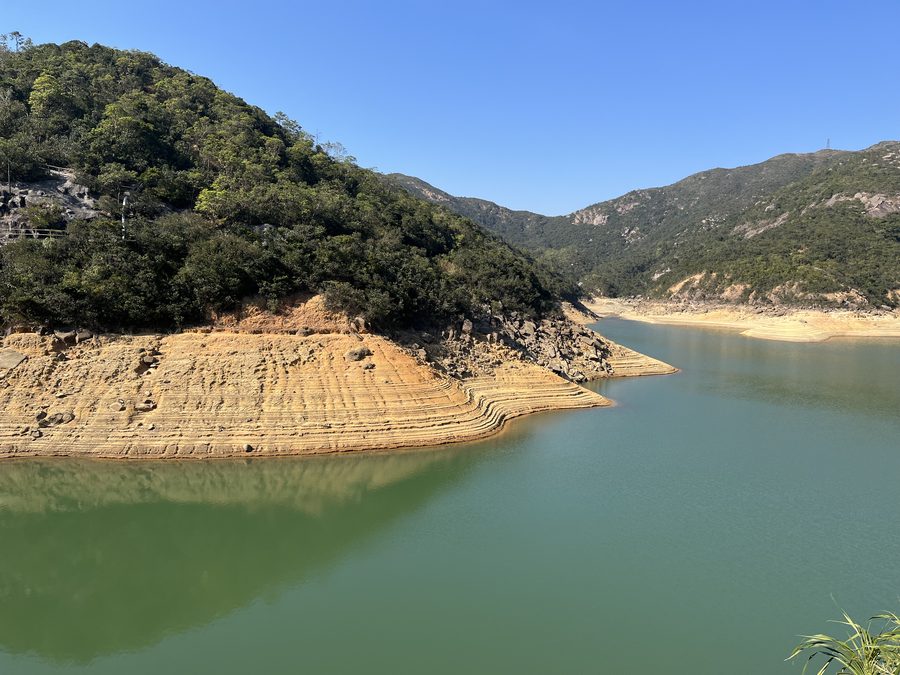
A reservoir drawn down between wooded hills

Climate and nature

Climate impacts and nature loss are becoming priced risk — and the pressure is shifting from disclosing emissions to reducing them, in the chains where most of them sit.

Watch

Scope 3 under scrutiny · CBAM · Transition-mineral demand · Supplier energy transition
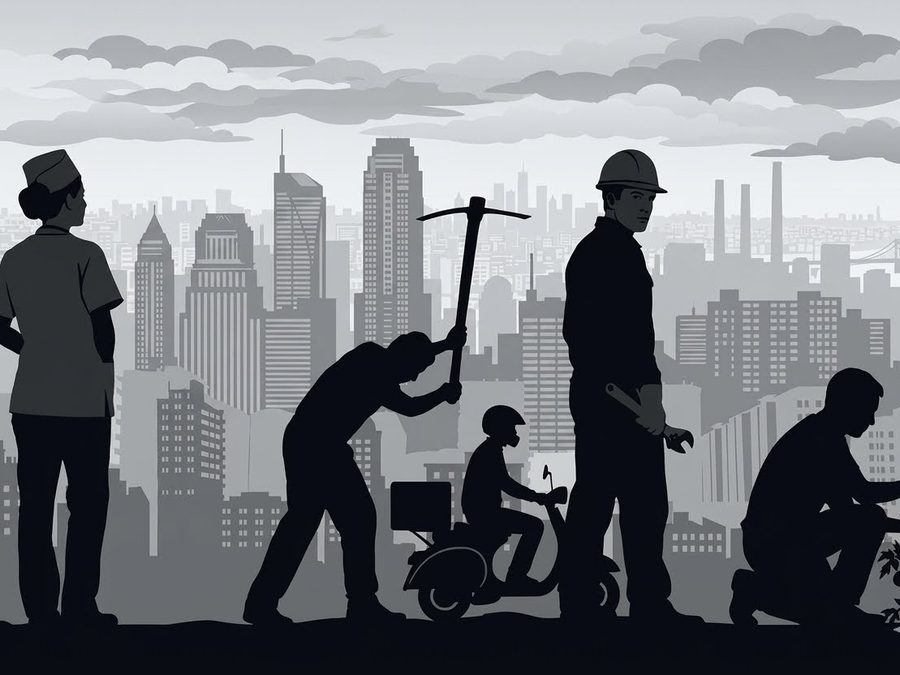
Silhouetted workers against a city skyline

Social change

Ageing, migration, inequality and consumer values are reshaping labour markets and licence to operate.

Watch

Forced-labour risk · Claim scrutiny · Community consent · Worker organisation · Remedy
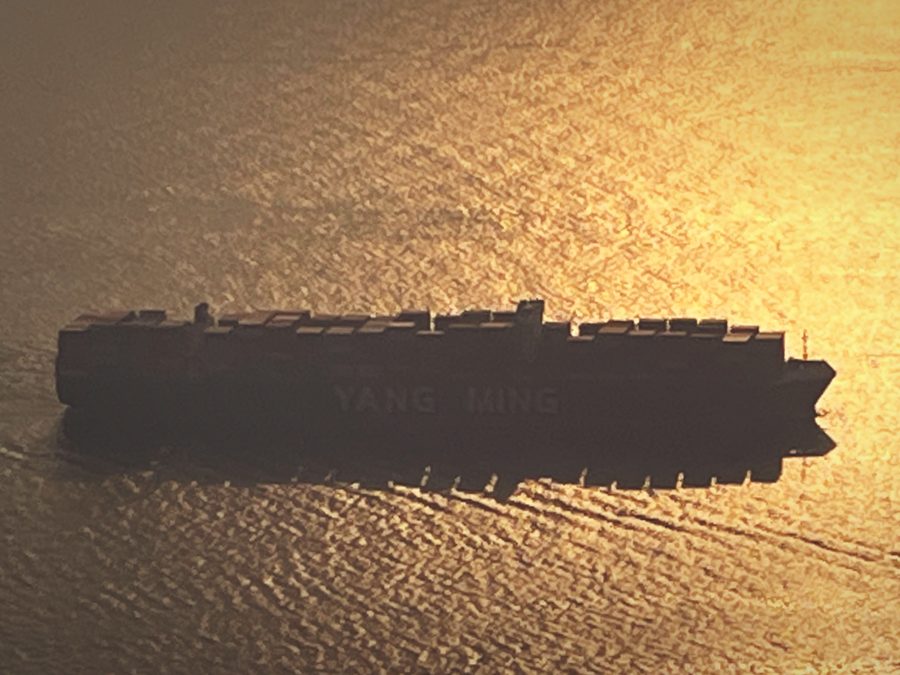
A container ship at sea at sunset

Geopolitical shifts

De-globalisation, sanctions and near-shoring are rewriting where chains can run.

Watch

UFLPA · EU FLR · Section 301 forced labour tariffs · CBAM · Critical minerals · Conflict of laws

The Shift

What is broken, and what replaces it

What is broken

  • About ‘them’ Audits examine suppliers and leave the buyer’s own purchasing practices out of scope.
  • Paid to pass Audits run as a pass/fail proposition find fewer violations.
  • Theatre, not truth Coached workers, forged records, sites staged for the day.
  • Not certified safe Law firms reading US Customs’ June 2026 guidance for importers conclude that audits which do not test for the ILO forced labour indicators carry limited value in import cases.
  • Measured, not moved Scope 3 estimated from spend and industry averages — a number that improves when the model is refined, not when anything changes at the site.
  • Misallocation, not fatigue Not all situations are the same, and risk and control assessment needs to match the risks and controls being reviewed. One robust, independently verified assessment for use by many, not many assessments each for a single client.
  • Consequence one way Suppliers lose orders over findings; buyers rarely change the prices, forecasts and lead times that caused them.
  • Voice without power Surveys ask workers what is wrong and give them no part in putting it right.
  • A false picture A deceived audit is worse than no audit — it gives a false sense of security.
  • An unreported crime In the worst cases, supply chain challenges are crimes, and remedy must include the people harmed.

What replaces it

  • Own operations and value chain Consistent processes that engage both own operations (as the CSDDD requires) and the value chain.
  • Supplier-run, independently verified Large, sophisticated suppliers run their own systems; independent parties verify them; many buyers rely on one result. Ownership of the system, not of the verdict.
  • Designed in Due diligence built into governance, not bolted on.
  • People included Workers and communities in the process, by law, and worker organisations in governance, verification and remedy wherever they exist.
  • Always listening A continuous signal that catches what annual sampling misses, and a defined response when it fires.
  • Partnership with consequence Capability building backed by consequence both ways: for suppliers that do not remediate, and for buyers whose purchasing practices cause the harm.
  • Change where the emissions are Energy, process, materials and finance addressed at the factory — with measurement following the change, not substituting for it.
  • Disclosure by design What is disclosed, to whom and under what legal protection, decided with counsel at the start, so the programme builds trust without building avoidable liability.
  • Legible A programme an enforcement official can follow, with the evidence in view.
  • Buildable System robustness and data that create value in and from your supply chain.
  • Counsel at the design table General counsel shapes the system from the start: privilege, retention, data protection and conflict of laws. The board oversees it.

The exposure case

The audit describes a day.
Regulation asks for a system.

The same capabilities regulation demands — visibility, controls, engagement and verified data — are the capabilities that create efficiency, resilience and growth. This is where ILLÆSA works.

Exposure

Exposure has two sides: what the business stands to lose when goods are held, banned or tariffed, and what the workers harmed would be owed to put it right — fees repaid, wages restored, documents returned. The second usually sets the first, because remedy is what releases the goods.

US$4.1bn
Of goods stopped under the UFLPA since June 2022; about 26,800 shipments denied entry.
30 working days
The time a company under EU Forced Labour Regulation investigation has to show what it has done.
10% vs 12.5%
US tariff on economies with, or committed to, a forced labour import ban, against those without, from 24 July 2026.
RM136m
What one glove maker committed to repay workers after a US import ban: 2.6 times its own first estimate, and the road back to the US market.
Almost 45%
Of one year’s profit: the modelled expected cost of supply chain disruptions over a decade.
~5%
Of one sample apparel brand’s global net operating profit after tax, at risk by 2030 from heat and flooding in two production hubs alone: Ho Chi Minh City and Phnom Penh.

Upside

28% vs 20%
Five-year growth of US consumer goods making ESG claims against those without.
Half
Of 750+ B2B buyers already buy more from their more sustainable suppliers; nearly 70% plan to accelerate those purchases over the next three years.
26×
Upstream supply chain emissions (scope 3) versus operational emissions (scopes 1 and 2), on average across CDP disclosers — decarbonisation is won or lost in the chain.

Sic utere tuo ut alienum non laedas

Use what is yours so as to harm no other.

Explore our work